


Google Ads Campaign Types: Complete Beginner Guide in 2026


Google Ads gives advertisers multiple campaign types because different business goals require different delivery systems. Many beginners make the mistake of choosing a campaign type based on what looks easiest inside Google Ads instead of choosing based on how customers actually behave. This guide explains how each Google Ads campaign type works, when you should use it, and what problems you should avoid before spending serious budget.
Key Takeaways:
- Google Ads campaign types exist because different users behave differently across the buying journey.
- Search campaigns usually generate the highest intent traffic because users actively search for solutions.
- Display campaigns work better for visibility, retargeting, and audience nurturing rather than immediate conversions.
- Shopping campaigns depend heavily on product feed quality and strong product images.
- Video campaigns help businesses explain products and build trust faster through visual storytelling.
- Performance Max campaigns can scale efficiently, but they require reliable conversion tracking and strong creative assets.
- Demand Gen campaigns focus more on visual discovery and interest-based audience expansion.
- Campaign success depends more on matching audience intent than choosing the newest Google Ads feature.
- Advertisers should validate conversion quality before increasing budget aggressively.
What Are The Main Google Ads Campaign Types?
As an account manager with years of experience working with Google Ads accounts and Agency Google Ads accounts, I understand that Google does not treat every user interaction the same way.
Someone searching “best CRM software for real estate agencies” behaves very differently from someone watching YouTube videos or casually browsing websites. Because of that, Google separates campaigns into different systems.
Here is the quick comparison table of Google Ads campaign types:
| Campaign Type | Primary Goal | Traffic Intent Level | Main Strength | Common Weakness |
| Search Campaigns | Capture demand | High | Strong conversion intent | CPC can become expensive in competitive industries |
| Display Campaigns | Increase visibility | Low to Medium | Large audience reach at lower CPM | Lower direct conversion quality |
| Shopping Campaigns | Drive product sales | High | Visual product presentation inside search results | Depends heavily on feed quality |
| Video Campaigns | Build attention and trust | Medium | Strong engagement and product explanation | Weak creative reduces watch retention quickly |
| Performance Max | Automated multi-channel scaling | Mixed | Broad placement automation | Reduced placement transparency |
| Demand Gen Campaigns | Generate audience interest | Medium | Strong visual discovery placements | Requires high-quality creative assets |
Understanding the difference between the campaigns matters because campaign structure affects: Traffic quality, Conversion intent, Cost-per-click behavior, Scaling stability, Retargeting efficiency, and Learning phase performance.
Now, let’s break down each campaign type in detail.
Google Search Campaigns
A search campaign is a Google Ads strategy that shows text ads directly inside Google search results. These campaigns target users actively searching for keywords related to your products or services.
| Category | Details |
| Best For | Lead generation, local services, emergency services, SaaS, B2B companies. |
| Main Advantage | Captures high-intent users actively searching for solutions |
| Main Disadvantage | Competitive industries can create expensive CPC costs |
| Recommended Business Stage | Businesses that already understand customer search intent |
| Typical Goal | Calls, form submissions, direct conversions |
Why Search Campaigns Often Convert Better
For many businesses, Search campaigns generate the highest intent traffic inside the Google ecosystem.
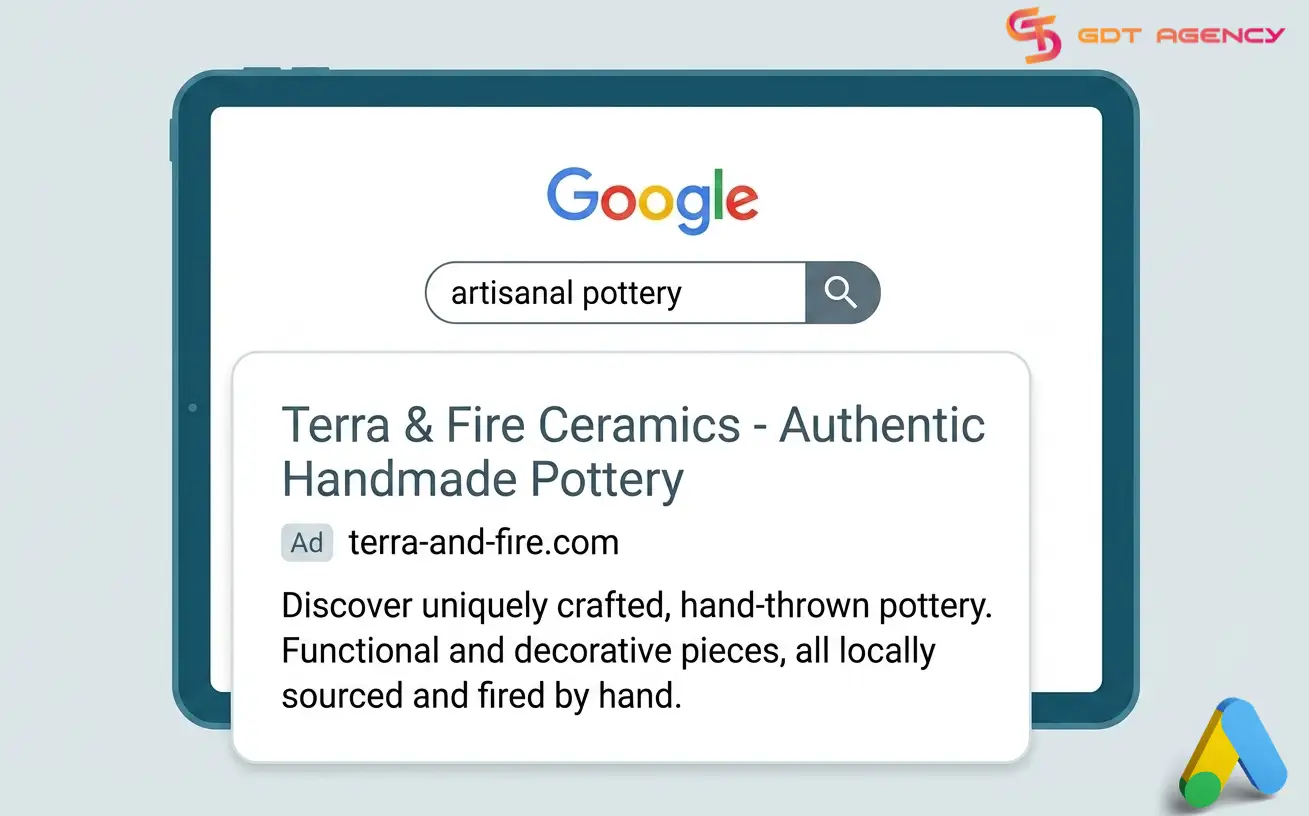
Because the use already demonstrates their intent, using Search campaigns will drive high-intent traffic, sales, or leads by targeting relevant keywords appearing when potential customers are ready to convert.
When somebody searches “buy running shoes online,” Google understands that the user may already be close to making a purchase. That changes bidding behavior, audience quality, and conversion probability.
Real Effectiveness of Google Search Campaigns
A local HVAC company used Google Search campaigns targeting:
- “24/7 air conditioner repair”
- “emergency AC service near me”
- “same day HVAC repair”
The campaign attracts users already facing urgent problems, which makes the conversion probability higher because the search itself shows immediate commercial intent.
After restructuring campaigns, removing low-intent traffic, and concentrating spend on higher-converting keywords, the business achieved:
- 125% increase in leads
- 46% lower cost per lead
The campaign improvements came mainly from tighter keyword targeting and better traffic qualification rather than simply increasing the budget.
Google Display Campaigns
Display campaigns place visual banner ads across websites, apps, and Google partner networks. Instead of targeting active searches, Display campaigns focus more on audience exposure and brand visibility.
| Category | Details |
| Best For | Brand awareness, retargeting, audience expansion |
| Main Advantage | Large audience reach with lower CPM costs |
| Main Disadvantage | Lower purchase intent compared to Search traffic |
| Recommended Business Stage | Businesses building visibility or retargeting website visitors |
| Typical Goal | Brand recall, assisted conversions, audience nurturing |
Why Retargeting Works Well on Display?
Display campaigns let you reach a relevant audience with visually engaging ads as they browse millions of websites, apps, and Google-owned properties, such as YouTube, to achieve your marketing objectives.
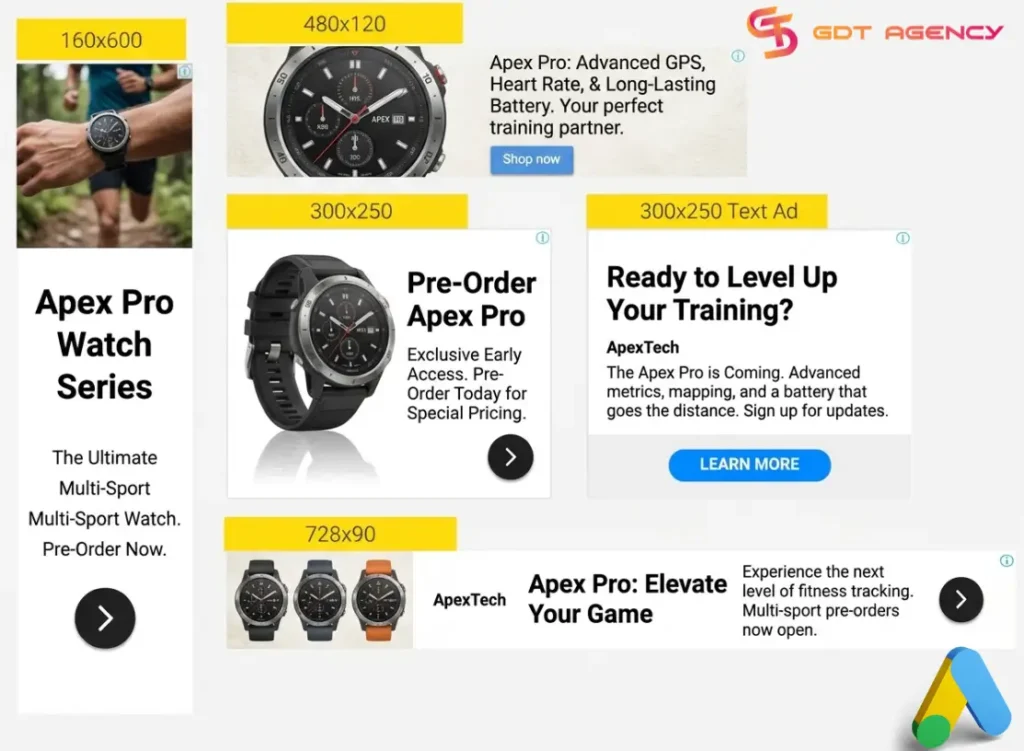
Display campaigns are a great way to expand your reach and stay top of mind with an audience beyond just Google Search. Imagine this scenario. A visitor checks your pricing page but leaves without purchasing. A Display retargeting campaign can continue showing ads while that user browses other websites.
This repeated exposure often improves conversion probability because the audience already recognizes your brand. You can also create a Display campaign that uses your data segments to show ads to people who’ve visited your website or have used your app.
Real Effectiveness of Google Display Campaign
According to the information released by EMOTIV on firebrand.marketing, EMOTIV used a combination of Google Display, Search, and Shopping campaigns to expand awareness and increase product sales.
The company reported:
- 33.33% increase in transactions
- 228% growth in revenue across Google Ads campaigns
The campaign strategy relied heavily on Display remarketing and repeated audience exposure across multiple Google placements.
Google Shopping Campaigns
Shopping campaigns display product images, pricing, reviews, and store information directly in Google search results. Unlike Search campaigns, Shopping ads rely heavily on product feed quality instead of traditional keyword targeting.
| Category | Details |
| Best For | e-commerce stores selling physical products |
| Main Advantage | Product images and prices appear directly inside search results |
| Main Disadvantage | Performance depends heavily on feed optimization |
| Recommended Business Stage | Product-based businesses with structured catalogs |
| Typical Goal | Product sales and purchase conversions |
Why Product Feed Quality Matters?
Google uses your product feed data to understand key details about your products, including: Product relevance, Product category, Price competitiveness, Availability, and Search intent matching.
Product feed quality plays a direct role in ad visibility. Even with a strong bidding strategy, poor feed optimization can limit performance.
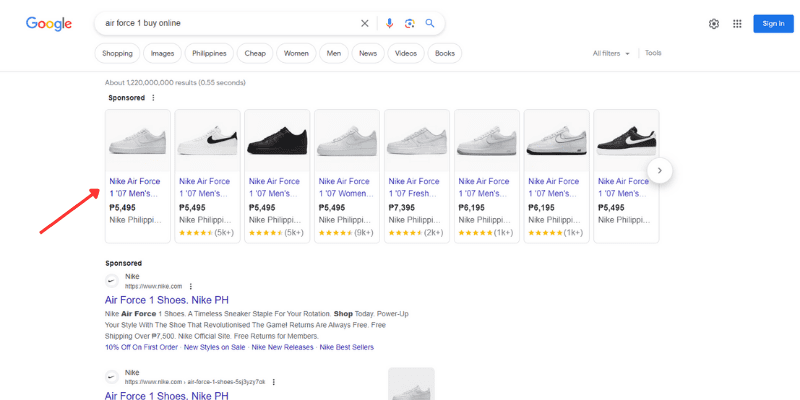
For example, a weak product title like: “Running Shoes Model X” gives Google very little context. The system struggles to understand who the product is for, what makes it different, or which searches should trigger the ad.
A more detailed title like: “Men’s Lightweight Running Shoes Size 42 Breathable Mesh” gives Google stronger signals. The title clearly explains the product type, target user, size, and key feature, which helps improve targeting and search relevance.
Real Case Study Example
According to the case study of a retail brand that worked with a Google Ads strategy focused heavily on Shopping campaigns and mobile optimization, that have been published on triangledirectmedia.com.
After this brand restructuring Shopping campaigns around top-performing products and integrating local product ads, the business achieved:
- 252% year-over-year revenue growth from Google Ads
- Only 33% increase in ad spend during the same period
The case highlighted how the shopping campaign structure and feed optimization can significantly improve revenue efficiency.
Google Video Campaigns
Video campaigns run primarily on YouTube and other video inventory connected to Google Ads. These campaigns focus on attention, storytelling, and audience influence.
| Category | Details |
| Best For | Product demonstrations, storytelling, audience education |
| Main Advantage | Combines visuals, motion, and sound to explain products quickly |
| Main Disadvantage | Weak creatives reduce retention very quickly |
| Recommended Business Stage | Brands that need education before conversion |
| Typical Goal | Engagement, audience warming, assisted conversions |
Why Video Changes User Perception Faster?
Video captures attention faster than text or static images because it combines visuals, sound, movement, and storytelling in one format. Users can process information quickly and form impressions within seconds.
Video also creates stronger emotional engagement. A short product demo, customer testimonial, or brand story can build trust and explain value more effectively than paragraphs of text.
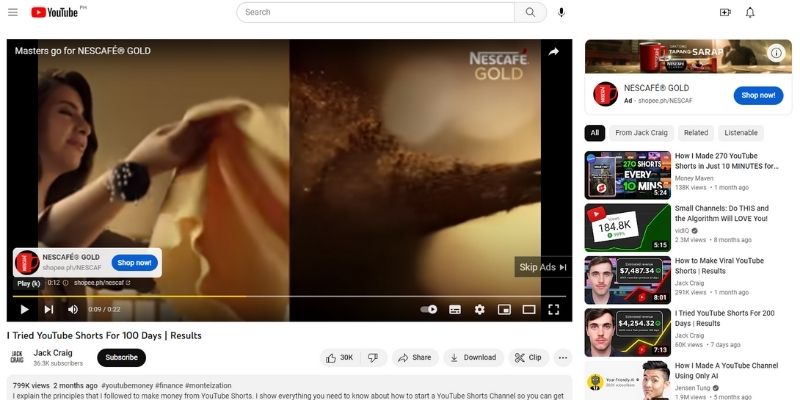
For advertisers, video helps shape user perception by showing products in action, highlighting real benefits, and creating memorable experiences. As a result, users often understand, trust, and respond to a message faster through video content.
Real Case Study Example
Many software and SaaS advertisers use YouTube campaigns because visual demonstrations reduce product complexity.
Google and YouTube advertising studies consistently show that video helps advertisers explain workflows, onboarding processes, and product benefits faster than static image ads.
For example, advertisers often use:
- Product walkthrough videos
- Before-and-after demonstrations
- Feature tutorials
- Customer success stories
This approach becomes especially effective for products requiring user education before conversion.
Industry analysis from Google Ads and YouTube marketing reports frequently emphasizes stronger engagement rates when video creatives communicate value within the first few seconds of playback.
Performance Max Campaigns
Performance Max campaigns use machine learning to distribute ads across Search, Display, YouTube, Discover, Gmail, Maps, and Shopping inventory. Google automates much of the targeting and placement process.
| Category | Details |
| Best For | Product demonstrations, storytelling, audience education |
| Main Advantage | Combines visuals, motion, and sound to explain products quickly |
| Main Disadvantage | Weak creatives reduce retention very quickly |
| Recommended Business Stage | Brands that need education before conversion |
| Typical Goal | Engagement, audience warming, assisted conversions |
Performance Max often delivers the best results when the account has a strong foundation. The campaign usually performs well when conversion tracking is accurate, the account already contains enough conversion history, creative assets are high quality, product feeds are fully optimized, and the business generates stable data volume.
When these elements work together, Google’s automation can make better decisions and improve campaign performance more effectively.
Why Performance Max Became Popular?
Performance Max became popular because it helps advertisers run campaigns across multiple Google channels from a single campaign. Instead of managing separate campaigns for Search, YouTube, Display, Gmail, Discover, and Maps, advertisers can access all placements in one setup.
The campaign type also relies heavily on automation and machine learning. Google uses audience signals, bidding strategies, creative assets, and conversion data to find users who are more likely to convert.
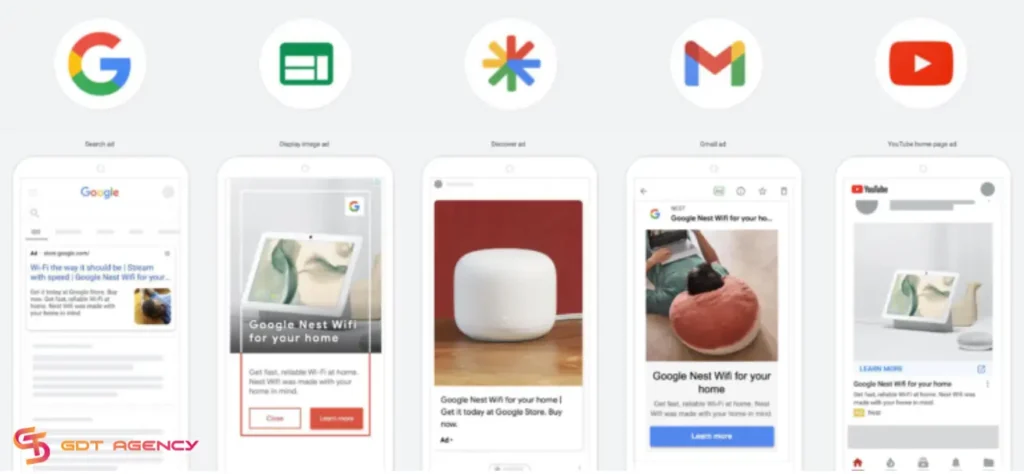
Another reason for its growth is efficiency. Businesses can save time on campaign management while expanding reach across Google’s ecosystem. For many advertisers, Performance Max offers a simpler way to scale campaigns without manually optimizing every placement.
As privacy changes reduced audience tracking and manual targeting options, many marketers also shifted toward automation. Performance Max fits this change by using first-party data and automated optimization to improve performance over time.
Real Case Study Example
Based on the case study of Google advertising experts on Reddit, an eCommerce advertiser scaled Google Performance Max and Shopping campaigns over seven months while building a broader campaign ecosystem.
According to the campaign breakdown shared publicly, the account generated:
- More than €500,000 in revenue within seven months
- Around 10x ROAS during scaling periods
- Peak monthly revenue above €60,000
The advertiser attributed the performance to:
- Continuous product optimization
- Strong pricing competitiveness
- Consistent keyword refinement
- Long-term account data accumulation
The case also demonstrated that Performance Max usually works better when supported by a mature account history and strong operational systems outside the ad account itself.
Demand Gen Campaigns
Demand Gen campaigns focus on visually driven placements such as: YouTube, Discover, Gmail. Google designed these campaigns to help advertisers generate interest before users actively search.
| Category | Details |
| Best For | Lifestyle brands, consumer products, visually driven campaigns |
| Main Advantage | Strong visual discovery placements across Google feeds |
| Main Disadvantage | Requires high-quality creative content |
| Recommended Business Stage | Brands focused on audience growth and demand creation |
| Typical Goal | Audience engagement and interest generation |
Difference Between Demand Gen and Display Ads
Demand Gen and Display ads both help businesses reach new audiences, but they work differently and support different goals. Demand Gen focuses on visually engaging placements across YouTube, Discover, and Gmail, where advertisers can create demand and influence users during the discovery stage. These campaigns rely heavily on audience signals, machine learning, and creative assets to drive engagement, clicks, and conversions.
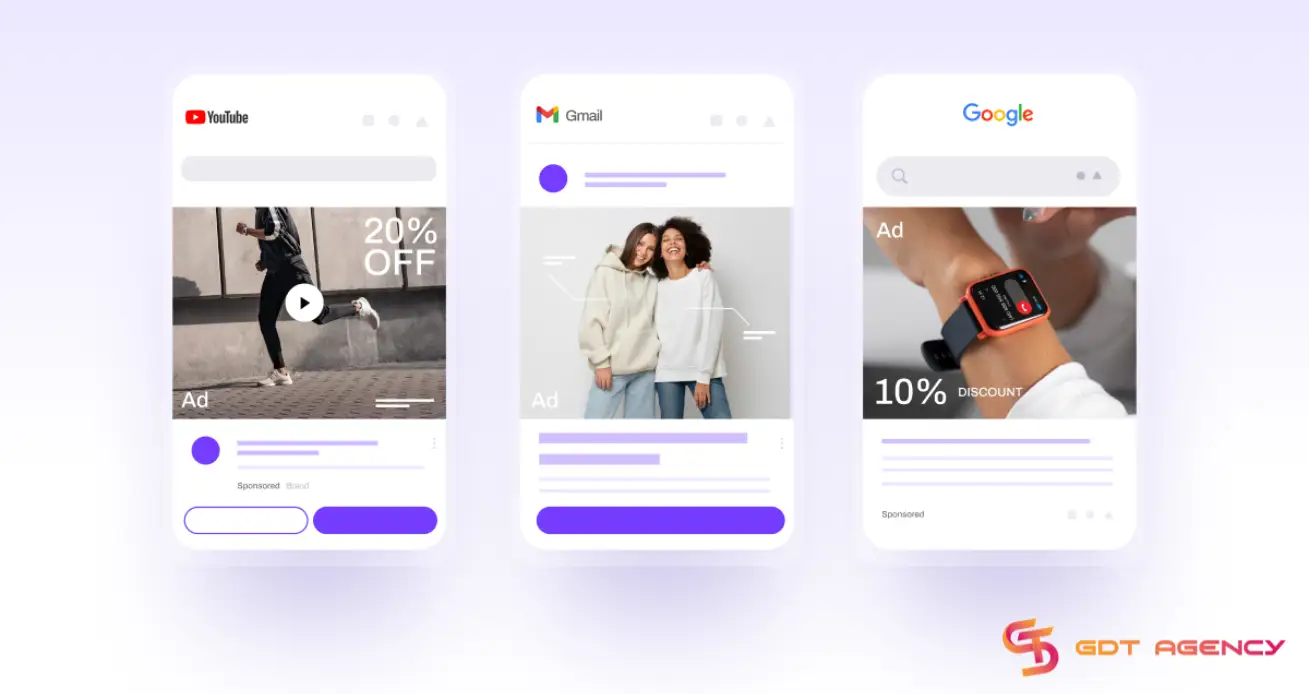
Display ads, on the other hand, appear across the Google Display Network on websites, apps, and videos. They mainly focus on broad reach, brand awareness, remarketing, and audience targeting through banners or image-based ads. While Display campaigns give advertisers more placement control and manual targeting options, Demand Gen uses more automation and prioritizes high-intent visual experiences designed to capture attention earlier in the customer journey.
Real Case Study Example
Consumer brands increasingly use visually driven Google placements to create demand before direct search intent exists.
Retail-focused campaigns that combine discovery-based placements with strong creative assets often improve:
- Product visibility
- Engagement rates
- Assisted conversions
- Audience expansion
For example, according to reuters.com, brands using visual-first campaign structures across Google ecosystems have reported stronger engagement when product presentation feels native to content feeds rather than traditional banner advertising.
Which Google Ads Campaign Type Should You Choose?
The right campaign depends on your business objective. Here are the instructions to help advertisers choose the proper Google Ads campaign type based on my experience:
1. Choose Search Campaigns If:
- You want direct leads
- Users already search for your service
- You need high-intent traffic
- You have clear conversion goals
2. Choose Display Campaigns If:
- You need brand visibility
- You want retargeting campaigns
- You want a lower CPM reach
- You support longer sales cycles
3. Choose Shopping Campaigns If:
- You sell physical products
- Product visuals matter
- You have optimized product feeds
4. Choose Video Campaigns If:
- You need storytelling
- You launch new products
- Your product needs a demonstration
5. Choose Performance Max If:
- Your tracking setup is mature
- You already have conversion data
- You can supply strong creative assets
6. Choose Demand Gen If:
- Your audience responds to visual discovery
- You target interest-based buyers
- Your product benefits from a lifestyle presentation
Frequently Asked Questions About Google Ads Campaign Types
1. Which Google Ads campaign type is best for beginners?
Search campaigns are usually the safest starting point for beginners because they target users with active intent.
A beginner can understand keyword performance, search terms, and conversion behavior more clearly compared to highly automated campaign structures.
2. Is Performance Max better than Search campaigns?
Performance Max is not automatically better.
Performance Max works best when:
- Conversion tracking is reliable
- The account already contains historical data
- Creative assets are strong
- The advertiser understands lead quality metrics
Search campaigns still provide stronger keyword-level control.
3. Which campaign type generates the cheapest traffic?
Display campaigns often generate lower CPM and CPC costs.
However, cheaper traffic does not always produce better business outcomes.
Low-cost clicks without conversion intent can waste budget.
4. Should eCommerce brands use Shopping campaigns or Performance Max?
Many eCommerce brands combine both.
Shopping campaigns provide direct product visibility.
Performance Max expands placement reach across multiple Google properties.
The best setup depends on:
- Feed quality
- Conversion data
- Product margins
- Creative availability
5. Are Video campaigns good for direct sales?
Video campaigns can support sales, but cold audiences usually respond better to educational or problem-focused messaging before direct offers.
Products with demonstrations often perform especially well on YouTube.
6. Why do some Google Ads campaigns spend budget without conversions?
Several factors can cause poor performance:
- Weak targeting
- Incorrect search intent alignment
- Poor landing pages
- Broken conversion tracking
- Low-quality creatives
- Broad audience settings
Imagine this scenario: An advertiser launches a broad Display campaign without retargeting audiences or strong creatives. The campaign may generate impressions and clicks while producing little buying intent.
The issue may not come from Google Ads itself. The issue may come from campaign structure and audience strategy.
7. How long should advertisers wait before scaling a campaign?
Advertisers should first validate:
- Conversion consistency
- Tracking accuracy
- Lead quality
- Cost stability
Scaling too early often disrupts learning behavior and increases wasted spend.
Final Thoughts
Google Ads campaign types exist because customer behavior changes across platforms and buying stages. No single campaign type works for every business. Hope that this article can help you choose the most proper campaigns for your business.
If you have any questions, need expert guidance to elevate your campaigns, or want to cooperate with a trustworthy provider to rent Google agency accounts, don’t hesitate to reach out to GDT Agency. Our team of experienced professionals is ready to provide tailored solutions and support to help you achieve your advertising goals.

Follow if you find it useful


You can contact us, with our experience in successfully deploying thousands of conversion advertising campaigns, GDT Agency confidently believes we can help you optimize effectiveness and maximize cost savings with advertising operations.


